- Always competitive prices and perfect quality
- |
- sales@sydneytimberflooring.com.au






In this article
- Why this comparison matters
- Durability: which one holds up longer?
- Maintenance: Which is easier to keep clean?
- Comfort and warmth: which feels better underfoot?
- Health and air quality: which is better for your household?
- Installation and replacement
- Room by room: which suits where?
- Products from our laminate range worth considering
- The honest summary
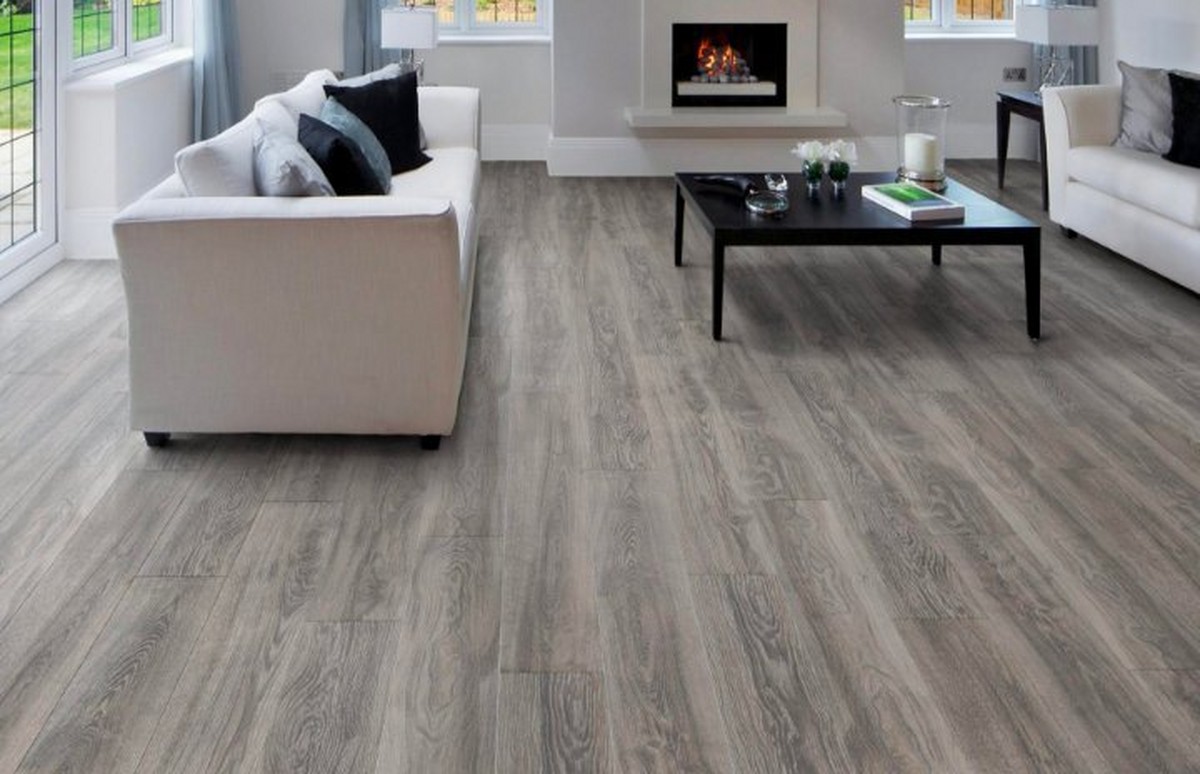
Quick Summary: Laminate and carpet are two of the most common flooring choices for bedrooms, living rooms and family homes across Sydney. Both have real strengths. This guide breaks down how they compare across durability, maintenance, health, comfort and longevity so you can make the right call for your space.
Why this comparison matters
Laminate and carpet sit at opposite ends of the hard versus soft flooring divide. They look different, feel different and behave very differently under the demands of a busy Sydney household. Yet they are often the two options people are choosing between, especially for bedrooms, living rooms and family rooms.
The honest answer is that neither is universally better. The right choice depends on how the room gets used, who lives in the house, and what you value most in a floor. This guide works through the key factors so you can decide with confidence.
Durability: which one holds up longer?
Laminate
Quality laminate with an AC3 or AC4 rating is a hard, dense surface that resists scratching, scuffing and denting well. The wear layer is harder than most real timber finishes and stands up to everyday foot traffic, furniture movement and pets without showing significant surface wear for many years.
Laminate does not stain easily. Most spills can be wiped up cleanly without leaving a mark as long as they are not left to sit and work into the joins. A well-installed laminate floor in a busy living room can look as good at year ten as it did on day one.
Its main vulnerability is sustained moisture. Water that gets into the joins or under the board can swell the HDF core and cause lifting. In a dry living area or bedroom, this is rarely an issue. In a kitchen, bathroom or any area prone to standing water, it is a real risk.
Carpet
Carpet compresses and flattens under heavy foot traffic over time. High-traffic zones, particularly hallways and the paths people walk most often through a room, show wear noticeably faster than laminate would in the same location.
Carpet stains. Spills, pet accidents and food dropped on carpet leave marks that are often impossible to fully remove even with professional cleaning. In a household with young children or pets, staining is a near certainty over the life of the floor.
On pure durability, laminate outperforms carpet in almost every scenario. A quality laminate floor typically lasts 15 to 25 years. Most residential carpet needs replacing within 8 to 12 years.
Verdict: Laminate wins on durability.
Maintenance: Which is easier to keep clean?
Laminate
Laminate maintenance is simple. Sweep or vacuum regularly to remove grit and fine particles. Damp mop when needed with a pH-neutral cleaner. That is the full routine. No specialist products, no professional cleaning schedule, no treatments or coatings required.
Spills wipe up easily from the hard surface. Even greasy or sticky spills that would be a nightmare in carpet come off laminate cleanly with a damp cloth.
Browse our full laminate range and care guides.
Carpet
Carpet requires more effort to maintain. Regular vacuuming is essential to prevent dust, dirt and allergens from building up in the fibres. Spills need to be addressed immediately or they set into permanent stains. Professional steam cleaning every 12 to 18 months is recommended to keep carpet looking and smelling fresh.
Pet hair embeds in carpet fibres and requires specialist vacuum attachments to remove effectively. In homes with dogs or cats, carpet holds onto odours over time even with regular cleaning.
For busy households, the maintenance burden of carpet is considerably higher than laminate. The time and cost of professional cleaning alone adds up significantly over the life of the floor.
Verdict: Laminate wins on maintenance.
Comfort and warmth: which feels better underfoot?
Carpet
This is where carpet has a genuine and significant advantage. The soft, cushioned surface of carpet is noticeably more comfortable to walk on barefoot, especially first thing in the morning. It provides thermal insulation, keeping rooms warmer in winter and contributing to a cosier feel in bedrooms and living areas.
Carpet also absorbs sound far better than any hard flooring option. Rooms with carpet feel quieter. Footfall noise is almost completely eliminated, which matters in multi-storey homes or apartments where the floor below is occupied.
For bedrooms in particular, many homeowners prefer the feel of carpet underfoot when getting up in the morning. The warmth and softness is a genuine comfort benefit that laminate cannot replicate.
Laminate
Laminate is a harder, cooler surface underfoot. A quality underlay improves the feel considerably, adding cushioning and warmth, but it will never match the softness of carpet.
In Sydney’s climate, the cooler feel of laminate in summer is often welcomed in living areas and kitchens. In bedrooms during winter, it can feel cold without underfloor heating or thick socks.
Laminate with a good acoustic underlay reduces noise transmission significantly compared to bare laminate, but hard floors do transmit more footfall noise than carpet in general.
Verdict: Carpet wins on comfort and warmth.
Health and air quality: which is better for your household?
Laminate
Laminate has a meaningful advantage for households with allergy sufferers or asthma. Because it is a hard, smooth surface, it does not trap dust mites, pet dander, pollen or mould spores the way carpet fibres do. A regular sweep or vacuum removes allergens from the surface entirely.
Laminate is also resistant to mould growth as long as it is not subjected to sustained moisture. The hard surface does not provide a host environment for bacteria or dust mites.
Carpet
Carpet fibres trap and accumulate dust mites, pet dander, pollen, mould spores and other allergens. Even with regular vacuuming, a significant quantity of allergens remains embedded in the carpet pile. This is a documented concern for households with asthma, eczema or respiratory sensitivities.
High-quality carpet with a tight weave traps fewer allergens than low-density shag pile, but no carpet performs as well as a clean hard floor surface for allergy management.
If anyone in your household has respiratory issues, allergy sensitivities or skin conditions, this is a significant factor in favour of laminate.
Verdict: Laminate wins on health and air quality.
Installation and replacement
Laminate
Laminate uses a click-lock floating system that installs quickly over most existing surfaces. Most rooms are completed within a day. If a section gets damaged, individual planks can be replaced.
Our team at Sydney Timber Flooring handles the full installation process, from subfloor assessment through to trims and cleanup.
Carpet
Carpet installation requires specialist fitters and is typically completed in a day for most rooms. However, moving and replacing carpet is more disruptive than replacing a floating laminate floor. Carpet must be fully removed and disposed of when it reaches end of life.
Both products install in a similar timeframe, but laminate offers more flexibility for future changes or partial replacement.
Verdict: Roughly even on installation. Laminate has the edge on future flexibility.
Room by room: which suits where?
| Room | Better Choice | Why |
|---|---|---|
| Master bedroom | Either | Carpet for warmth and comfort; laminate if allergies are a concern |
| Children’s bedroom | Laminate | Easier to clean, more stain-resistant |
| Living and dining room | Laminate | Durability and low maintenance in high-traffic shared space |
| Hallways | Laminate | Carpet shows traffic wear quickly in narrow high-use corridors |
| Home office | Either | Laminate for easy cleaning; carpet for acoustic dampening |
| Playroom | Laminate | Wipes clean, withstands heavy use |
Products from our laminate range worth considering
If laminate is the direction you are heading, here are a few options from our range well suited to the rooms in this comparison.
Laminate Flooring Sydney (8mm, AC3) — The practical everyday choice for living rooms, bedrooms and hallways. Available in the most popular oak and greige tones that suit contemporary Australian homes. Visit the product page to see current styles.
Wide-format long planks — Suit larger living rooms and open-plan areas where standard-width boards can look busy. Fewer joins per square metre and a cleaner, more seamless appearance.
Herringbone laminate — For bedrooms or home offices where you want a feature floor with visual character without the cost of genuine parquetry.
Browse the full range or book a free in-home measure and quote, and our team will bring samples to you.
The honest summary
Laminate outperforms carpet on durability, maintenance, allergy management and long-term value. It is the more practical choice for most rooms in most households.
Carpet still earns its place in bedrooms and rooms where comfort, warmth and acoustic softness are the priorities. If allergy sensitivity is not a concern and you want the warmest, softest feel underfoot in a sleeping area, carpet delivers something laminate cannot.
For most Sydney homeowners doing a full renovation, the most common outcome is laminate throughout the living areas, hallways and open spaces, with carpet retained in one or two bedrooms where the softness is valued. That combination gives you the best of both.
Want to see samples before you decide? We bring the floor to you. Our team visits your home, assesses your subfloor and shows you physical samples in your own lighting before you commit to anything.
Sydney Timber Flooring | sales@sydneytimberflooring.com.au | NSW, Australia
Not sure what your subfloor will take?
Send a photo of the room and the rough measurements. We will tell you what will work and what will not.
Common questions
No. Carpet provides significantly more thermal insulation and feels warmer underfoot, particularly in bedrooms during winter. Laminate with a quality underlay is warmer than bare laminate, but it does not match the warmth of carpet.
Generally yes. Laminate resists pet hair, odours and staining far better than carpet. Claw scratches are the main concern with laminate, so choose AC4 rating or above for homes with large dogs. Carpet holds pet hair and odour deeply in the fibres and is harder to clean thoroughly.
In most cases, yes. Buyers in the current Sydney market respond more positively to hard flooring throughout living areas. Quality laminate in good condition reads as a desirable, low-maintenance feature. Worn carpet often reduces perceived property value.
Absolutely. Laminate works well in bedrooms, particularly where allergy management is a priority. Pair it with a quality underlay for a warmer, softer feel underfoot. A good bedside rug adds comfort for that first step out of bed in the morning.
Laminate is almost always the better choice for a rental. It is more durable, easier to clean between tenancies, and more resistant to the kind of damage that voids a bond claim. Carpet in a rental property typically needs replacing every few years in active households.
Laminate lasts considerably longer. A quality laminate floor in a residential setting typically lasts 15 to 25 years. Most residential carpet needs replacing within 8 to 12 years, sometimes sooner in high-traffic areas or homes with pets.
Read enough? Get a price for your floor.
We measure on site, quote in writing, and the quote covers subfloor prep. No obligation to go ahead.