- Always competitive prices and perfect quality
- |
- sales@sydneytimberflooring.com.au






In this article
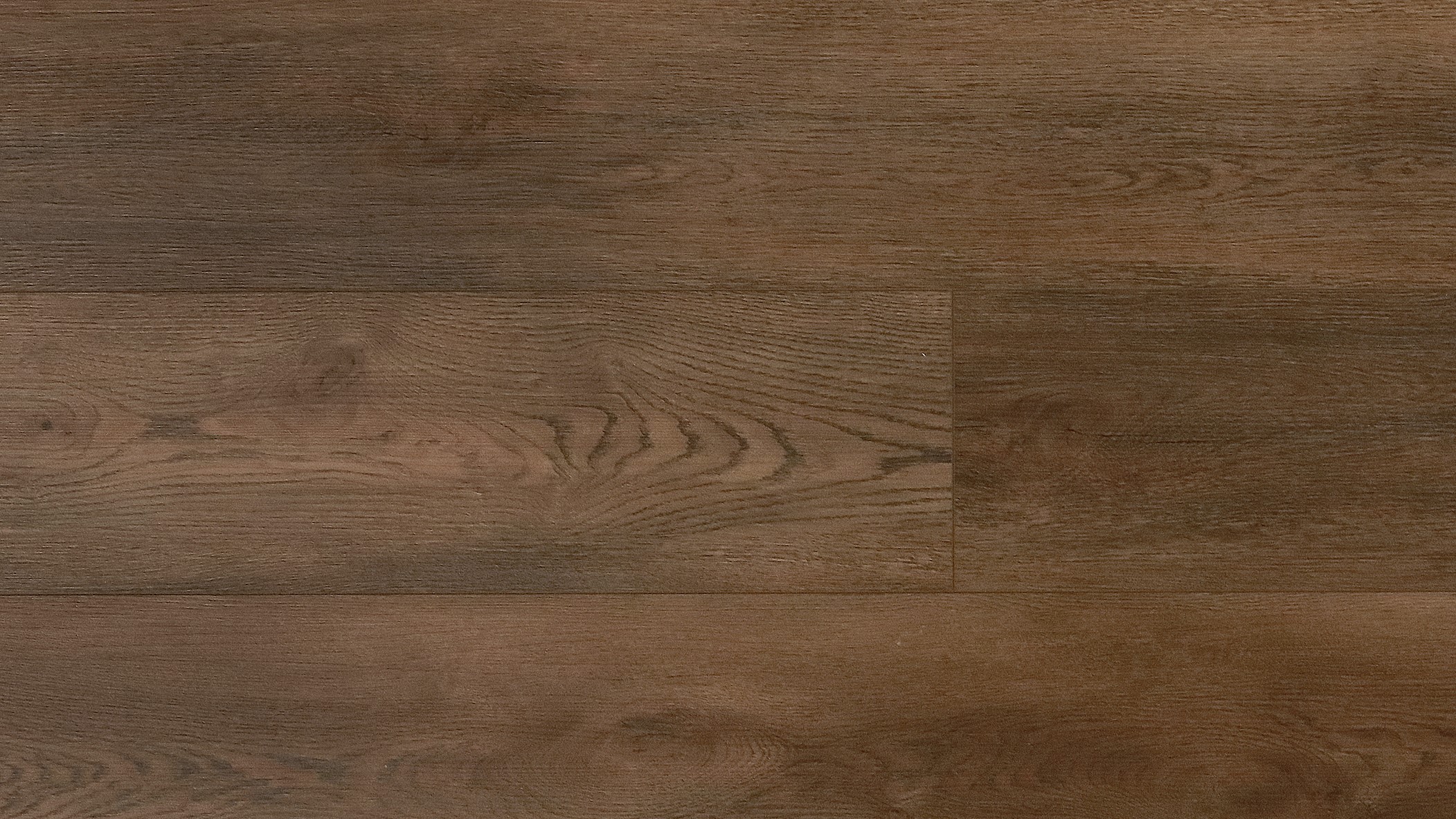
Quick Summary: Lambrusco is a deep, wine-toned European Oak finish with rich burgundy and dark walnut undertones. It is one of the most striking colour choices in the engineered timber range, and in the right interior it is genuinely show-stopping. This Colour Corner breaks down what makes Lambrusco distinctive, what it pairs with, and which rooms it belongs in.
What is European Oak Lambrusco?
Named after the deep Italian red wine it echoes in tone, Lambrusco is a rich, dark European Oak finish that sits somewhere between a deep walnut and a warm burgundy. It is not a flat, uniform dark stain. Like all quality European Oak, the grain of the timber shows through the colour, giving each plank subtle variation in depth and tone that makes the floor feel alive rather than painted.
The base is genuine European Oak, sourced from sustainably managed forests across France and Central Europe. European Oak is the species of choice for premium engineered flooring because of its tight, consistent grain, its density and hardness, and its ability to take staining and finishing to a high standard. Under a Lambrusco finish, those qualities combine to create something with genuine visual weight.
What separates Lambrusco from standard dark floors is warmth. Where some dark floors read as grey or cold, Lambrusco pulls red and amber from the grain, keeping the floor feeling warm and rich even in lower light. It is a colour that looks better in person than in a photograph, and considerably better under natural light than under cool-toned lighting.
What does Lambrusco look like in a room?
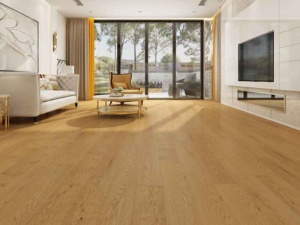
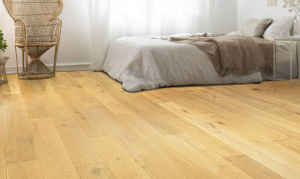
Think deep, moody, and considered. Lambrusco is not a neutral floor that disappears into the background. It is a statement.
In natural daylight, the red undertones come forward and the floor reads as a warm dark timber with real character. In the evening under warm artificial lighting, it deepens and richens, pulling the room together in a way that lighter floors simply cannot achieve.
The grain variation across each plank means no two boards look identical. Knots, subtle mineral streaks and natural colour shifts across the width of each plank are all part of what you are buying. This is not a weakness; it is what makes it a genuine timber product rather than a printed imitation.
What interior styles suit Lambrusco?
Contemporary dark interiors
Matte black hardware, stone benchtops, dark cabinetry. Lambrusco belongs here. The floor anchors the palette and adds warmth to what could otherwise feel stark. Wide-format planks in this colour with a brushed or matt finish create a cohesive, high-design result.
Moody and theatrical living rooms
Feature walls, deep-coloured joinery, statement furniture. Lambrusco on the floor gives a room permission to go darker and bolder in other elements. It works as the foundation of a room that is designed to feel intimate and deliberately styled.
Warm transitional interiors
Cream and off-white walls, natural stone, leather furniture. Lambrusco provides contrast and depth against lighter walls without clashing. The warm red tones in the grain pull forward the amber and cream in surrounding surfaces, creating a layered, curated feel.
Heritage and character homes
Older Sydney homes with high ceilings, plaster cornices and original features respond well to Lambrusco. The richness of the colour respects the character of the architecture rather than fighting against it. It feels considered in a way that a grey or pale floor in an older home sometimes does not.
What to pair with Lambrusco
- Walls: Warm whites, deep greens, terracotta, charcoal. Avoid cool greys and icy whites, which fight the warmth in the floor rather than complementing it.
- Cabinetry: Matte black, dark navy, warm white, or raw timber. Lambrusco handles strong cabinetry colours without feeling busy.
- Furniture: Natural linen, aged leather, velvet in deep tones, raw oak or walnut timber pieces. Metal accents in brass or aged bronze suit the warmth in the floor far better than chrome or brushed nickel.
- Rugs: A large rug in a neutral warm tone grounds the space without competing with the floor. A textured wool or jute rug sits particularly well over Lambrusco.
- Lighting: Warm-toned globes bring out the best in this floor. Cool white lighting flattens the warmth and pushes the red tones toward brown.
Where does Lambrusco work best in the home?
- Living rooms and dining rooms are where Lambrusco makes the strongest impression. These are the rooms where the floor has the most visual real estate and the colour can properly anchor the space.
- Master bedrooms suit Lambrusco well. The warmth and richness of the colour creates a bedroom that feels cocoon-like and designed, particularly with low, warm lighting.
- Hallways are an underrated application. A dark, warm timber hallway creates a strong first impression on entry and sets the tone for the rest of the home.
- Home studies and libraries are a natural fit. Lambrusco in a study surrounded by books, warm lighting and dark joinery creates exactly the kind of atmosphere most people are trying to achieve with this style of space.
- Where to think carefully: Lambrusco shows dust and fine debris more readily than lighter floors, which is worth knowing in any high-traffic area. Regular sweeping keeps this under control, but it is a practical consideration worth noting before you commit.
European Oak: why the species matters
The colour is only part of the story. European Oak as a species is why this floor performs as well as it looks.
European Oak is one of the densest and hardest of the commercially used oak species. It is slower-growing than American Oak, which produces a tighter, more uniform grain that takes finishing to a higher standard. The result is a floor that resists denting and surface wear better than softer timbers, and holds its finish for longer.
As an engineered product, the real oak veneer sits above a multi-layer plywood base. This construction gives the floor the stability to be used across a wider range of conditions than solid timber. It handles the humidity fluctuations of Sydney summers and winters better than solid oak, and it can be installed over concrete slabs, existing tiles and other subfloors that solid timber cannot accommodate.
European Oak engineered flooring can also be sanded and recoated when the surface eventually shows wear, extending the life of the floor well beyond what any printed product can offer.
Browse our engineered flooring range or call 1300 928 716 to ask about current Lambrusco stock and availability.
Maintenance for a dark European Oak floor
Dark floors show what lighter floors hide: dust, pet hair and fine particles. The practical routine for keeping Lambrusco looking its best is simple.
- Sweep or vacuum every two to three days to keep fine particles off the surface. A soft-bristle broom or a vacuum with a hard floor setting is all you need.
- Damp mop with a pH-neutral timber floor cleaner when needed. Wring the mop out well. Standing water is the enemy of any timber floor.
- Wipe spills immediately. European Oak engineered flooring handles brief moisture contact well, but do not let spills sit.
- Use felt pads under furniture legs to prevent point-load scratching, particularly on chairs and stools that move regularly.
- Avoid steam mops. The heat and moisture can damage the finish over time.
A well-maintained Lambrusco floor will deepen slightly in character as it ages, which is one of the things that makes real timber appealing. The grain becomes more pronounced and the finish develops a patina that printed flooring products cannot replicate.
Is Lambrusco right for your space?
The honest answer is that Lambrusco is a committed choice. It transforms a room. In the right interior, with the right lighting and the right surrounding palette, it is one of the most beautiful floors available in Sydney.
In a room that is not quite ready for it, it can feel heavy. The best way to know is to see a physical sample in your actual space under your actual lighting before you commit.
Our team brings samples to you as part of a free in-home measure and quote. You can see exactly how Lambrusco reads in your light, against your walls, and alongside your existing fittings before you make any decision.
Call 1300 928 716 or book a free measure and quote online. No obligation.
Sydney Timber Flooring | sales@sydneytimberflooring.com.au | NSW, Australia
Not sure what your subfloor will take?
Send a photo of the room and the rough measurements. We will tell you what will work and what will not.
Common questions
Lambrusco is a stained finish applied to genuine European Oak timber. The stain penetrates the surface grain rather than sitting on top of it, which is why the natural character of the timber shows through the colour rather than being masked by it.
All timber floors are susceptible to UV fade over time, and darker stained floors can lighten slightly in areas of strong direct sun. Quality engineered oak products include UV-resistant coatings that slow this significantly. Rotating rugs and furniture occasionally ensures more even exposure across the floor.
Yes. Engineered European Oak flooring can be glued directly to concrete or floated over it with an appropriate underlay, making it suitable for slab-on-ground construction common in Sydney homes.
Yes, provided the veneer thickness is sufficient (3mm or above). This is one of the key advantages engineered timber has over hybrid or laminate products. Consult our team at Sydney Timber Flooring for advice specific to the product.
Most engineered European Oak products are compatible with hydronic and electric underfloor heating systems. Always confirm compatibility for the specific product at the time of your quote.
Read enough? Get a price for your floor.
We measure on site, quote in writing, and the quote covers subfloor prep. No obligation to go ahead.