- Always competitive prices and perfect quality
- |
- sales@sydneytimberflooring.com.au




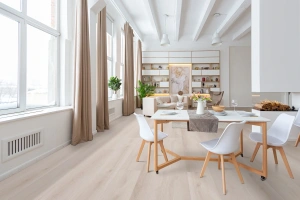


In this article
- What is laminate flooring?
- Why do Sydney homeowners choose laminate?
- What are the different types of laminate flooring?
- What specs actually matter when choosing laminate?
- Where does laminate work well in your home?
- Where does laminate have limitations?
- Products from our laminate range worth looking at
- How is laminate flooring installed?
- How do you maintain laminate flooring?
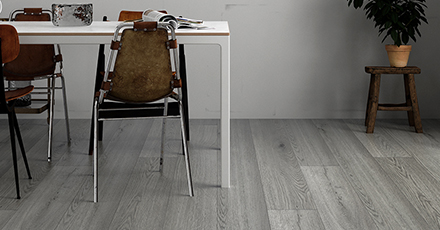
Quick Summary: Laminate flooring is a versatile, low-maintenance option that replicates the look of real timber through a high-definition photographic layer protected by a hard wear surface. It suits living rooms, bedrooms, hallways and light-traffic areas in Sydney homes. This guide walks you through everything you need to know before choosing laminate for your space.
What is laminate flooring?
Laminate flooring is a multi-layer synthetic product engineered to look like real timber without using solid wood throughout. Each plank is made up of four distinct layers fused together under high pressure:
- A backing layer that provides moisture resistance from below and keeps the plank stable.
- A high-density fibreboard (HDF) core that gives the plank its structural rigidity and density.
- A photographic design layer printed with high-definition imagery of real timber grain, knots and colour variation.
- A clear wear layer (also called the overlay) that protects the design from scratching, scuffing and everyday wear.
The result is a floor that looks convincingly like real timber but is manufactured to tighter tolerances and performs consistently from plank to plank.
Why do Sydney homeowners choose laminate?
Laminate has been one of the most popular residential flooring choices in Australia for over two decades, and for good reason.
It looks like real timber. The photographic layer in modern laminate is printed at such high resolution that it genuinely replicates the grain, texture and colour variation of natural wood. Many ranges also feature embossed surfaces where the texture aligns with the printed grain, which makes the visual convincing at close range.
It is durable. Laminate’s wear layer is harder than most real timber surfaces and resists scratching from everyday foot traffic, furniture and pets better than you might expect for its price point. This is why it has been the go-to for rental properties and busy family homes for years.
It is low-maintenance. Laminate does not need oiling, polishing or sanding. A regular sweep and an occasional damp mop is all it takes to keep it looking fresh.
It installs quickly. The click-lock floating installation system means laminate can be laid over most existing surfaces without adhesive or nails. A typical room can be completed in a single day by our team at Sydney Timber Flooring.
What are the different types of laminate flooring?
Laminate has evolved significantly. Today’s market offers a range of formats to suit different aesthetics and performance needs.
Standard laminate planks
The most common format. Planks are typically 190–200mm wide and 1200–1380mm long, replicating the scale of a traditional hardwood board. Available in a huge range of stains from pale ash and blonde oak through to deep walnut and charcoal.
Wide-format and long planks
Wider and longer planks (up to 300mm wide and 2200mm long) create a more open, contemporary feel. They work particularly well in larger rooms where standard-sized planks can look busy. The fewer joins per square metre also gives the floor a cleaner, more seamless appearance.
Herringbone laminate
Planks cut and laid in a 45-degree herringbone pattern. Once reserved for parquetry timber floors, this format is now widely available in laminate. It adds strong visual character to entryways, dining rooms and feature spaces. Worth considering if you want the pattern without the cost and complexity of genuine parquetry.
Tile-effect laminate
Printed to replicate stone or concrete rather than timber. A good option for spaces where you want a hard-surface look but prefer the warmer underfoot feel and quieter acoustic properties that laminate delivers compared to actual ceramic or porcelain tile.
What specs actually matter when choosing laminate?
Walk into any flooring showroom and you will be confronted with dozens of options. These are the numbers and ratings worth paying attention to.
AC Rating
The AC (Abrasion Criteria) rating is the international standard for laminate wear resistance. It runs from AC1 to AC5:
- AC1: Light residential. Guest rooms and low-traffic bedrooms only.
- AC2: General residential. Bedrooms and living rooms with moderate traffic.
- AC3: Heavy residential. Suitable for all rooms in a busy home.
- AC4: Commercial moderate. Offices, cafes and retail with light-to-moderate foot traffic.
- AC5: substantial. High-traffic commercial environments.
For a Sydney family home, AC3 is the minimum we recommend. AC4 gives you extra confidence in hallways, living rooms and anywhere the family congregates daily. Avoid AC1 and AC2 for anywhere except a rarely used guest room.
Plank Thickness
Laminate is typically available in 7mm, 8mm, 10mm and 12mm thicknesses. Thicker planks:
- Feel more solid and substantial underfoot
- Produce less hollow sound when walked on
- Better accommodate minor subfloor imperfections
- Carry a better acoustic performance rating
For most Sydney residential installs, 8mm is the practical minimum. If your subfloor has any variation or you want a quieter, denser feel, step up to 10mm or 12mm. The difference in feel between 8mm and 12mm is noticeable, and most customers who try both in-store opt for the thicker board.
Wear Layer Thickness
The overlay or wear layer is usually between . A thicker wear layer means:
- Greater scratch resistance
- Longer service life before the pattern layer shows wear
- Better suitability for homes with dogs or heavy foot traffic
If a product does not disclose the wear layer thickness, ask. It is one of the most telling indicators of quality.
Underlay
Most laminate requires a separate underlay unless the plank comes with one pre-attached. Underlay serves three purposes: cushioning underfoot, acoustic dampening (reducing the hollow click sound) and providing a small buffer between the plank and the subfloor. For concrete subfloors, you will also want an underlay with a built-in vapour barrier.
Pre-attached underlay saves time during installation and ensures compatibility. If the product does not include it, budget for a quality IXPE or foam underlay as a separate item.
Where does laminate work well in your home?
Laminate is a versatile product, but it has some clear sweet spots.
Living rooms and dining rooms are where laminate performs best. These are high-visibility, high-traffic areas where the timber look delivers the most visual impact and the durability of laminate holds up well to daily use.
Bedrooms suit laminate beautifully. The slightly softer underfoot feel compared to tile and the warm timber aesthetic make it a comfortable choice for sleeping areas. Thicker boards with a quality underlay enhance this even further.
Hallways and entryways benefit from laminate’s scratch resistance. These are the highest-traffic areas of any home, and laminate handles them well as long as you choose AC3 or above.
Home offices and studies are well served by laminate. Easy to clean, quiet underfoot with good underlay, and the timber look adds warmth to a working environment.
Children’s playrooms are a practical fit. Laminate is resistant to the scuffs and general punishment that a playroom receives, and it is easy to sweep clean.
Browse our full range of flooring options
Where does laminate have limitations?
Being upfront about this is important. Laminate is not the right answer for every space.
Bathrooms and laundries are not suitable for standard laminate. The HDF core is vulnerable to sustained moisture exposure. Water that gets into the joins or under the board can cause swelling, lifting and warping. If you want a waterproof option for wet areas, our hybrid flooring range is the answer. Hybrid uses a rigid SPC core that is 100% waterproof and can be laid throughout your entire home including bathrooms and laundries.,are
High-humidity areas need careful consideration. This includes spaces near pools, alfresco areas that get weather exposure, or any room with poor ventilation. Sustained high ambient humidity over time can affect laminate, particularly at the joins.
Direct sunlight can cause fading. Laminate with lower AC ratings and thinner overlays is susceptible to UV fade over time. Quality products include UV-resistant finishes, so check the product specifications if your space gets strong direct sun.
Products from our laminate range worth looking at
If you are ready to explore specific options, here are a few popular choices our Sydney customers gravitate toward.
Laminate Flooring Sydney — Our entry-level to mid-range laminate collection covers all the most popular oak, walnut and greige tones that suit contemporary Australian interiors. Available from 8mm and suited to bedrooms, living areas and offices.
For wide-board options, longer planks that run 1800mm+ give large open-plan spaces a particularly clean, uncluttered look. Ask our team about current stock when you book a free measure and quote.
The herringbone format is worth requesting in-store if you are considering an entryway or feature room. Seeing it laid out in a sample tile gives you a much better read on how it will look at scale than a small swatch does.
Visit our flooring page to browse the current range, or call 1300 928 716 to talk through what suits your space.
How is laminate flooring installed?
Laminate uses a click-lock floating system. The planks are not glued or nailed to the subfloor. Instead, they lock together at the joins and float as a single unit over the subfloor and underlay below.
The subfloor must be level. Laminate has less tolerance for subfloor variation than hybrid or vinyl. Any high spots or dips beyond 3mm over a 1.8-metre span should be addressed before installation. Our team assesses this during the free measure visit and advises on any preparation needed.
Expansion gaps are essential. Because the floor floats, it needs room to expand and contract with temperature and humidity changes. A gap of 8–10mm is left around all walls and fixed objects, covered by skirting boards or beading. Skipping this step is one of the most common causes of laminate buckling over time.
Installation is typically fast. Most residential installs are completed within one to two days. Our team at Sydney Timber Flooring handles the full process: subfloor check, underlay, laying, trims and cleanup.
How do you maintain laminate flooring?
One of laminate’s strongest selling points is how little effort it takes to keep looking good.
- Sweep or vacuum regularly to remove grit and fine particles. Grit is the enemy of any floor surface because it acts like sandpaper as people walk across it.
- Damp mop with a pH-neutral cleaner when needed. Wring the mop out well. Laminate handles damp mopping fine, but it does not handle standing water on the surface.
- Avoid steam mops. The intense heat and moisture from a steam mop can damage the wear layer and cause the joints to swell over time.
- Use felt pads under furniture legs to prevent point-load scratching, particularly on chairs and tables that are moved frequently.
- Clean spills immediately. Surface spills are not a problem for laminate as long as they are wiped up before they sit long enough to work into the joins.
There is no oiling, polishing, sanding or recoating required. For most homeowners, laminate simply lives in the background doing its job with minimal attention.
Ready to see laminate samples in your own home? Our team comes to you, assesses your subfloor, shows you physical samples in your lighting, and gives you a full written quote. No obligation.
Call 1300 928 716 or book your free measure and quote online.
Sydney Timber Flooring | sales@sydneytimberflooring.com.au | NSW, Australia
Not sure what your subfloor will take?
Send a photo of the room and the rough measurements. We will tell you what will work and what will not.
Common questions
In most cases, yes. Laminate can float over existing tiles, timber and concrete as long as the surface is level and structurally sound. We assess this during your free in-home measure and advise on whether any preparation is needed before installation.
Thinner laminate on a hard subfloor can produce a hollow sound when walked on. This is addressed by using a quality underlay and, where possible, choosing a thicker board (10mm or 12mm). Pre-attached underlay products are particularly effective at reducing this.
Standard laminate is generally not recommended for use over underfloor heating systems. The heat and associated moisture fluctuations can affect the HDF core over time. If you have underfloor heating or are planning to install it, speak to our team about alternative products that are rated for this application.
A quality laminate floor installed correctly and maintained properly will last 15 to 25 years in a residential setting. AC rating, wear layer thickness, installation quality and subfloor preparation all affect the service life.
Laminate is a reasonable choice for homes with pets. The hard-wearing layer resists scratching from claws better than real timber. For homes with large, active dogs, opt for AC4 rating and 0.4mm or above wear layer to maximise scratch resistance.
Because laminate floats and the planks click together, individual planks can be replaced if damaged. The process is more involved than a simple swap, but it is manageable. This is another reason to keep a small quantity of the same batch when you install, as matching a discontinued product years later can be difficult.
Keep reading
Read enough? Get a price for your floor.
We measure on site, quote in writing, and the quote covers subfloor prep. No obligation to go ahead.