- Always competitive prices and perfect quality
- |
- sales@sydneytimberflooring.com.au






In this article
- What is vinyl flooring and why is it so popular right now?
- What are the different types of vinyl flooring?
- How does vinyl compare to other flooring types?
- What should you look for when buying vinyl flooring?
- How much does vinyl flooring cost in Sydney?
- Is vinyl flooring easy to install and maintain?
- Where can vinyl flooring be used in your home?
- Vinyl vs hybrid flooring: which one should you choose?
- Products worth looking at from our hybrid range
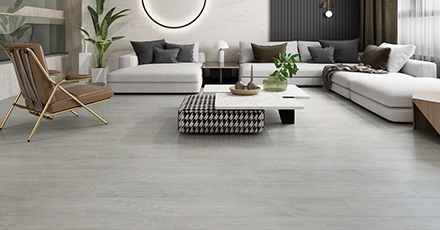
Quick Summary: Vinyl flooring is 100% waterproof, low-maintenance and available in planks, tiles and sheets. Modern luxury vinyl planks (LVP) look remarkably close to real timber. For Sydney homeowners who want a firmer, higher-end feel, hybrid flooring adds a rigid SPC core to the vinyl construction and is a popular upgrade.
What is vinyl flooring and why is it so popular right now?
Vinyl flooring is a synthetic flooring product made primarily from PVC (polyvinyl chloride). It is manufactured in layers: a backing layer for stability, a core, a printed design film that mimics timber, stone or tile, and a top wear layer that takes the daily punishment of foot traffic, pets and spills.
The technology behind vinyl has improved dramatically over the last decade. Modern luxury vinyl planks (LVP) use high-definition printing that is genuinely difficult to tell apart from real timber at a glance. Add to that the 100% waterproof construction and you have a product that suits the Australian climate, our open-plan living spaces and the high humidity of bathrooms and kitchens.
It has become one of the most requested flooring options we see across Sydney right now, and it is not hard to understand why. It is durable, it is comfortable underfoot, it is far easier to maintain than real timber, and it costs significantly less than solid or engineered timber options.
What are the different types of vinyl flooring?
Not all vinyl is the same. There are three main formats, and each suits a different use case.
Luxury Vinyl Plank (LVP) and Luxury Vinyl Tile (LVT)
LVP and LVT are individual planks or tiles that click or glue together. They are the most popular format for residential installs because they look closest to real timber or stone. Planks are typically 150–230mm wide and 1200–1800mm long. The realistic wood-look finish makes them a natural choice for living rooms, bedrooms, hallways and open-plan spaces.
Sheet Vinyl
Sheet vinyl comes in large rolls and is glued down as a continuous surface with no joins. It is the most affordable format and was the dominant product for decades. It is still popular in laundries and utility areas where a completely seamless waterproof surface is the priority. The downside is that it is harder to repair if a section gets damaged, and the design options are more limited than LVP.
Rigid Core / SPC Vinyl (Hybrid)
This is the upgrade that most Sydney homeowners move toward once they start comparing options. A rigid SPC core (Stone Polymer Composite) is added to the vinyl construction, which makes the plank completely rigid and far more solid underfoot. It also bridges minor subfloor imperfections better than flexible vinyl.
At Sydney Timber Flooring, we call this hybrid flooring. It combines the waterproof benefits of vinyl with the rigidity of tile and the look of real timber, all in one plank. If you are weighing up standard LVP against hybrid, the hybrid wins on feel, durability and long-term satisfaction every time.
Sydney tip: Sydney’s coastal humidity and temperature swings can cause some flooring products to expand and contract. Hybrid and quality LVP handle this far better than laminate, which is one reason they have grown so quickly in popularity here.
How does vinyl compare to other flooring types?
Understanding how vinyl sits in the wider flooring landscape helps you make a smarter choice. Here is a side-by-side comparison of the most common residential options available through Sydney Timber Flooring.
| Feature | Vinyl LVP | Hybrid (SPC) | Laminate | Engineered Timber | Solid Timber |
|---|---|---|---|---|---|
| 100% Waterproof | Yes | Yes | No | No | No |
| Bathrooms / Laundries | Yes | Yes | No | No | No |
| Rigid / Solid Underfoot | Soft | Yes | Yes | Yes | Yes |
| Real Wood Look | Good | Excellent | Excellent | Best | Best |
| Underfloor Heating | Some | Most | No | Some | No |
| Ease of Maintenance | Very easy | Very easy | Moderate | Moderate | High |
| Cost: Supply + Install | $ | $$ | $$ | $$$$ | $$$$$ |
What should you look for when buying vinyl flooring?
Not all vinyl is created equal. These are the specs that actually matter.
Wear Layer Thickness
The wear layer is the clear protective coat on top of the design film. It determines how long your floor will look good under daily use:
- 0.3mm (12 mil): Fine for low-traffic bedrooms and guest rooms.
- 0.5mm (20 mil): Suitable for general living areas and family homes.
- 0.7mm+ (28 mil): Best for high-traffic areas, rentals or commercial applications.
If a product does not clearly state the wear layer thickness, be cautious. Budget vinyl often skimps here, and you will see scratches within a year or two in active family homes.
Overall Plank Thickness
Thicker planks feel better underfoot and cover minor subfloor imperfections more effectively. For hybrid / SPC flooring, we typically recommend 6.5mm as the minimum for bedrooms and 8–9mm for main living areas.
AC Rating (Abrasion Criteria)
The AC rating system rates wear resistance from AC1 (light residential) to AC5 (heavy commercial). For a Sydney family home, AC3 or AC4 is the target. Anything below AC3 will wear too quickly in a busy household.
Pre-Attached Underlay
Many premium LVP and hybrid planks come with an IXPE or EVA foam underlay already attached to the back of the plank. This saves time on installation and improves acoustic performance, reducing the hollow-click sound underfoot. If the product does not include it, you will need to factor in underlay as a separate cost.
Finish and Embossing
Better vinyl has an embossed surface that corresponds to the grain in the printed design. “Embossed-in-register” means the texture lines up exactly with the visual grain, which is what makes high-end LVP look like the real thing. Flat or random embossing is a tell-tale sign of a lower-quality product.
Not sure which product is right for your space? Our team visits you at home, brings physical samples to your actual lighting, and gives you a full written quote at no cost. No obligation, no pressure. Book a Free Measure and Quote
How much does vinyl flooring cost in Sydney?
Cost varies depending on the product quality, the area size, subfloor condition and whether you supply only or supply and install. Here is a realistic guide for Sydney in 2026.
| Product Type | Supply Only (per m²) | Supply + Install (per m²) |
|---|---|---|
| Sheet Vinyl (basic) | $15 – $30 | $35 – $55 |
| Vinyl LVP (mid-range) | $30 – $55 | $55 – $80 |
| Hybrid / SPC (6.5mm–9mm) | $40 – $70 | $60 – $100+ |
At Sydney Timber Flooring, hybrid flooring starts from $60 per square metre, supply, delivery and professional installation included. That is a strong price point for a 100% waterproof, rigid-core product installed by our experienced team.
Keep in mind that subfloor preparation, stair installation, waste allowance and trims can add to the total. An in-home measure gives you the accurate number, not a guess.
Is vinyl flooring easy to install and maintain?
Most modern LVP and hybrid flooring uses a click-lock installation system. The planks float over the subfloor without being glued or nailed, which makes installation faster and the floor easier to replace in future. Sheet vinyl is glued down and requires more subfloor preparation.
Professional installation is strongly recommended for anything beyond a small DIY project. Getting the subfloor level, managing expansion gaps, cutting around door frames and fitting stair nosings are all areas where mistakes show up clearly and cost more to fix than to prevent.
Day-to-day maintenance
Vinyl is about as low-maintenance as flooring gets. Sweep or vacuum regularly to keep grit off the surface (grit acts like sandpaper over time), and mop with a damp mop and a pH-neutral cleaner. Do not use steam mops as the intense heat can damage the wear layer and adhesive on some products. Avoid harsh solvents. That is really about it.
Where can vinyl flooring be used in your home?
One of the biggest selling points of vinyl and hybrid flooring is its versatility. Unlike laminate or solid timber, you can run the same floor throughout your entire home including wet areas:
- Living rooms and dining rooms: High-traffic zones where durability matters. A 0.5mm+ wear layer handles daily family life comfortably.
- Bedrooms: The softer underfoot feel of standard LVP is appreciated here. Hybrid with 6.5mm thickness is a popular choice.
- Kitchens: Spills and splashes are no issue. Easy to clean and comfortable to stand on during cooking.
- Bathrooms and laundries: The only flooring type that is genuinely safe in these spaces. No swelling, no warping, ever.
- Hallways and stairs: Hybrid flooring holds up well to the concentrated foot traffic of hallways. Stair nosings can be matched to the floor for a seamless finish.
Vinyl vs hybrid flooring: which one should you choose?
This is the question we get most often. Here is the straight answer.
If your budget is the main constraint and you are fitting a bedroom or a rental property, quality vinyl LVP at 0.5mm wear layer does the job well. It is waterproof, it looks great and it will last.
If you want the best result across your whole home, including living areas and wet rooms, choose hybrid flooring. The rigid SPC core changes how the floor feels completely. It does not flex underfoot, it lays more stably across the subfloor, and it looks and feels closer to real timber than any flexible vinyl product. Most of our Sydney customers who start with the intention of buying LVP end up choosing hybrid once they feel the difference with physical samples in hand.
If you are not sure, book a free in-home consultation. We bring the samples to you, and you can feel the difference yourself in your own lighting before you commit to anything.
Products worth looking at from our hybrid range
If you are leaning toward hybrid after reading this guide, here are a few of our most popular ranges and what they suit best.
Avala Hybrid 6.5mm — A great entry into the hybrid category. The 6.5mm thickness suits bedrooms, studies and lower-traffic zones where you want the waterproof benefit without the cost of a thicker board.
Lumiere Ultra HD Hybrid 7mm — The HD print layer is the standout. If you want a timber look that genuinely fools guests, this is the one. Works brilliantly in open-plan living and dining areas where the floor is a feature.
Belle Vie Herringbone Hybrid 7mm — Herringbone pattern in a waterproof hybrid plank. A strong pick for entryways, hallways and kitchens where you want visual interest without sacrificing practicality.
Storm Luxury Hybrid 7mm — Bold, dramatic tones for modern and contemporary interiors. Pairs well with dark cabinetry and matte finishes. Popular choice for kitchen and living area renovations.
Artisan Tile Hybrid 9mm — The premium end of the range. Solid underfoot, excellent acoustic performance, and the tile-look finish makes it the go-to for bathrooms and laundries.
Browse the full range on our hybrid flooring page or call 1300 928 716 to talk through which product suits your space.
Ready to see your options in person? Sydney Timber Flooring offers a completely free, no-obligation in-home measure and quote. We come to you, assess your subfloor, show you physical samples in your own light, and give you a detailed written price.
Call 1300 928 716 or get in touch online.
Sydney Timber Flooring | sales@sydneytimberflooring.com.au | NSW, Australia
Not sure what your subfloor will take?
Send a photo of the room and the rough measurements. We will tell you what will work and what will not.
Common questions
Yes. Vinyl flooring, and particularly hybrid SPC flooring, is completely waterproof throughout the entire plank. Unlike laminate, water cannot penetrate the core and cause swelling or warping. This is what makes it the go-to choice for bathrooms, laundries and kitchens.
Both are waterproof, but hybrid flooring has a rigid SPC (Stone Polymer Composite) core that makes it far more solid underfoot. Standard vinyl LVT is softer and can feel slightly hollow. If you want a result that feels like real flooring, hybrid is the upgrade worth considering.
Quality vinyl flooring typically lasts 15 to 25 years in a residential setting. Wear layer thickness is the key factor: 0.3mm suits low-traffic areas, while 0.5mm or above is recommended for living areas and hallways.
In most cases, yes. Hybrid SPC flooring with its rigid core can float over existing tiles and concrete slabs, provided the subfloor is reasonably level. We assess this during your free in-home measure visit and advise on any subfloor preparation needed.
Vinyl LVP typically starts from around $30–$55 per square metre for supply only. Premium hybrid flooring at Sydney Timber Flooring starts from $60 per square metre, which includes supply, delivery and professional installation across all Sydney suburbs.
Most of our hybrid ranges are approved for both hydronic and electric underfloor heating systems. Always confirm at the time of your quote, as not every range is compatible. This is one of the key advantages hybrid has over laminate flooring, which is generally not suitable for underfloor heating.
Keep reading
Read enough? Get a price for your floor.
We measure on site, quote in writing, and the quote covers subfloor prep. No obligation to go ahead.