- Always competitive prices and perfect quality
- |
- sales@sydneytimberflooring.com.au





Herringbone
Herringbone
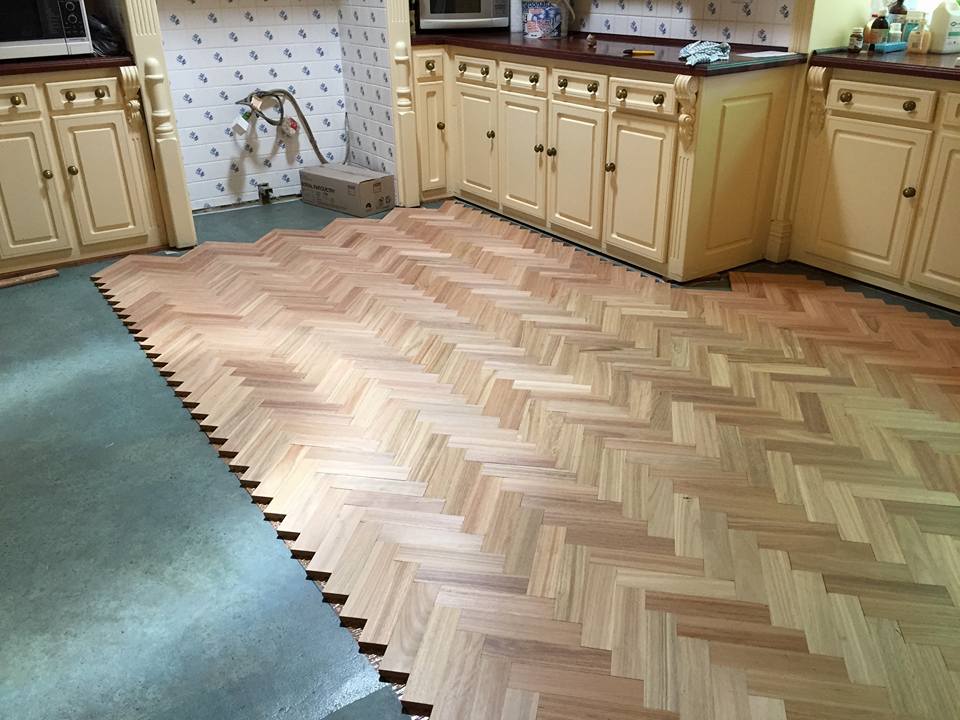
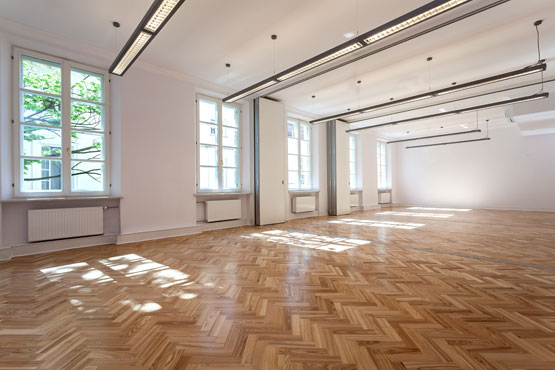
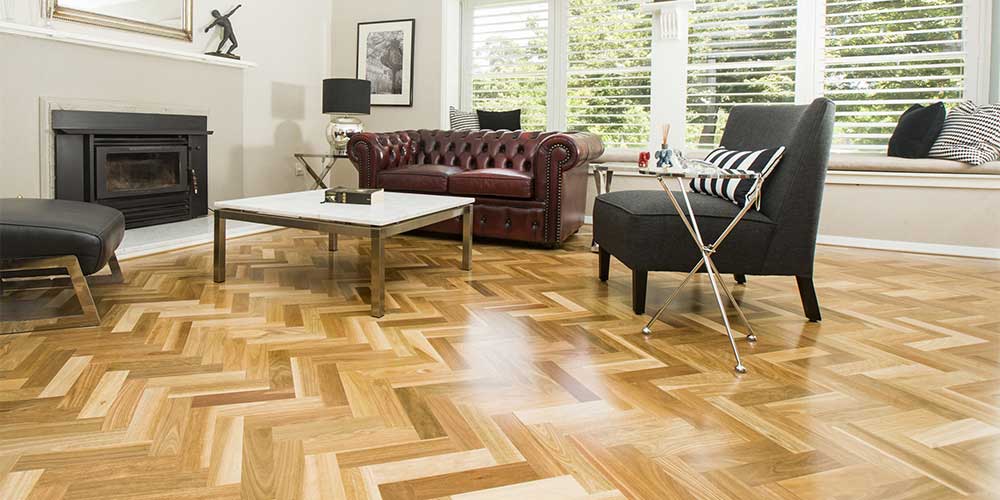
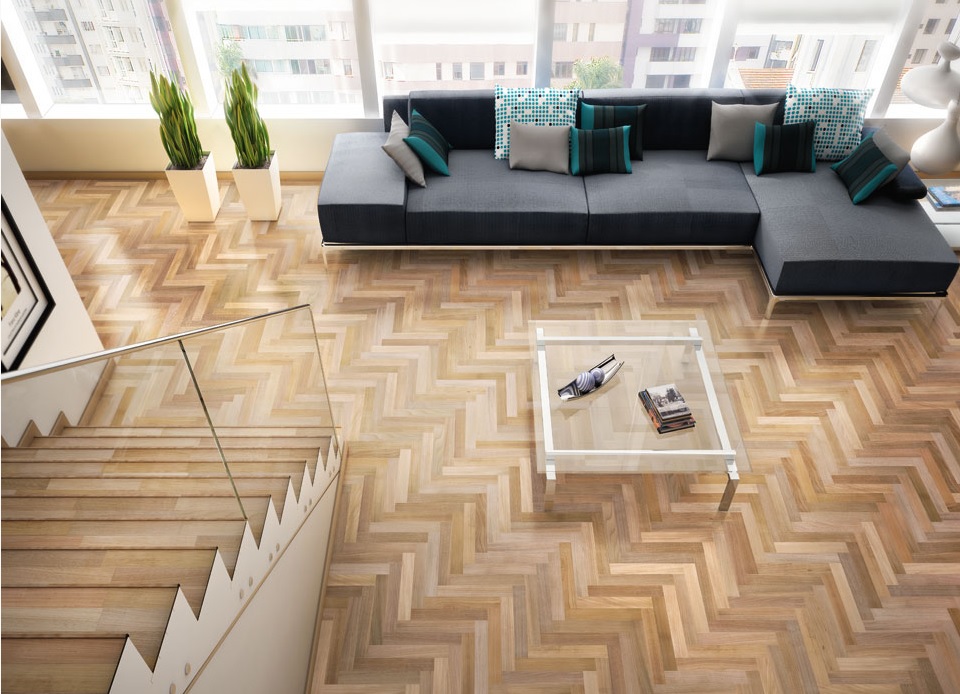
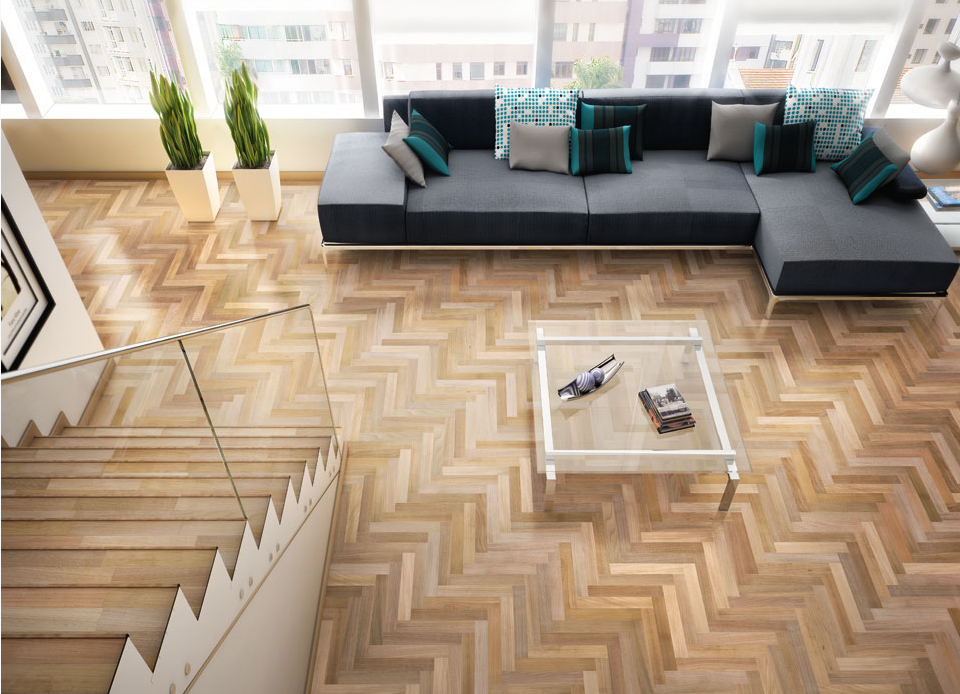
Herringbone Pattern Flooring
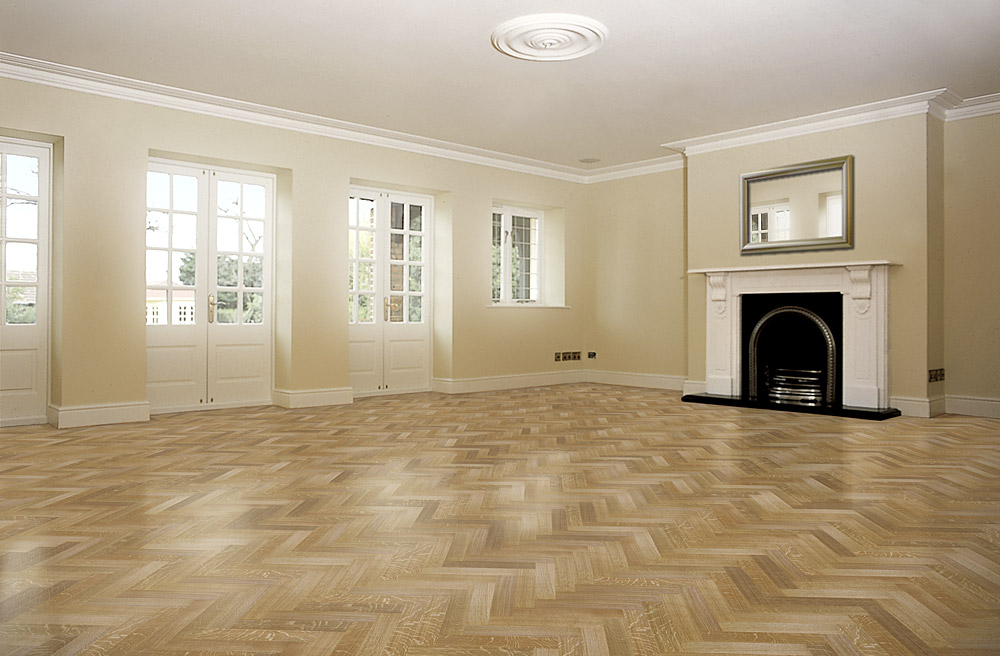
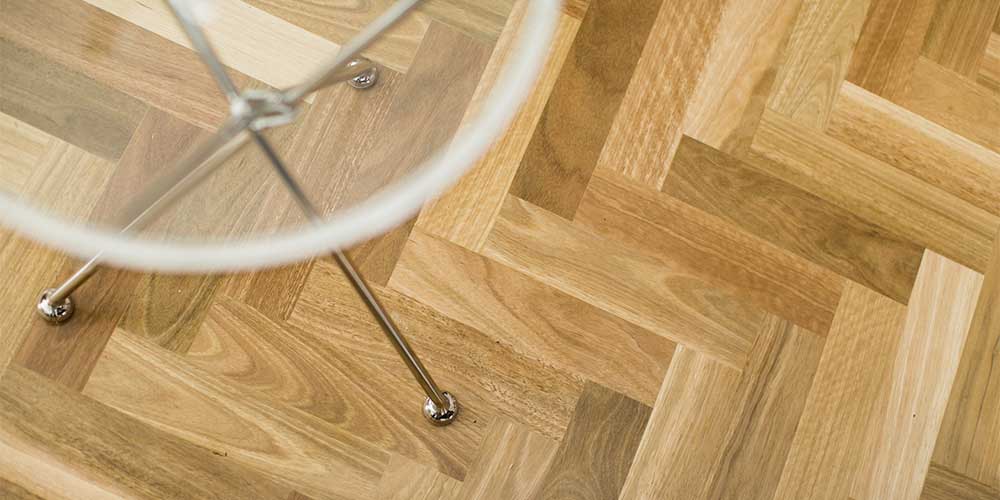
Herringbone pattern flooring is one of the most recognisable parquetry designs. Its distinctive zigzag layout adds movement, depth and character to a room while maintaining a refined and timeless appearance.
The pattern works well in both traditional and modern interiors, making it a popular choice for homes, offices and boutique commercial spaces.
Types of Herringbone Flooring
- Solid hardwood: Offers a traditional appearance, natural timber character and long-lasting performance.
- Engineered timber: Provides greater dimensional stability and suits many modern interiors.
- Luxury vinyl plank: Offers a herringbone look with easier installation and maintenance.
- Tile and stone: Suitable for kitchens, bathrooms and other areas where higher moisture resistance is required.
Herringbone vs Chevron Flooring
| Pattern | Details |
|---|---|
| Herringbone | Uses rectangular boards that meet at right angles, creating a broken zigzag pattern. |
| Chevron | Uses boards cut at an angle, usually 45 or 60 degrees, to form a continuous V-shaped pattern. |
| Overall appearance | Herringbone has a textured and traditional look, while chevron appears sharper and more continuous. |
Key Specifications
| Specification | Details |
|---|---|
| Flooring Type | Decorative parquetry flooring |
| Pattern | Rectangular timber blocks arranged in a staggered zigzag formation |
| Board Angle | Each block is positioned at approximately 90 degrees to the next |
| Construction | Available in solid timber or engineered timber |
| Timber Options | Oak and other suitable Australian or imported hardwood species |
| Profile | Tongue-and-groove or square-edge parquet blocks, depending on the product |
| Finish | Available unfinished or factory-finished with oil, lacquer or polyurethane |
| Installation Method | Usually fully bonded to a flat, clean and dry subfloor |
| Design Options | Single, double, diagonal, bordered and contrasting Herringbone |
| Suitable Areas | Hallways, entrances, living rooms, dining areas, bedrooms, offices and commercial interiors |
| Installation Service | Professional supply and installation available across Sydney |
Benefits of Herringbone Pattern Flooring
| Benefit | Details |
|---|---|
| Visual interest | Adds texture, movement and depth through its angled board arrangement. |
| Timeless appeal | Complements traditional, modern and transitional interior styles. |
| Perceived space | The directional pattern can help smaller rooms appear more spacious. |
| Customisable | Can be installed in single, double or diagonal layouts using different finishes and timber tones. |
| Premium finish | Creates a refined and carefully crafted flooring feature. |
Specifications
| Janka Hardness Rating | Varies according to the selected timber species |
| Botanical Name | Varies according to the selected timber species |
| Also Known As | Herringbone Parquet, Zigzag Parquet and Herringbone Timber Flooring |
| Dry Density | Varies according to the selected timber species |
| Natural Durability | Varies according to the timber species, construction and finish |
| Profiles | Rectangular left- and right-facing parquet blocks, commonly supplied with tongue-and-groove joints |
Grades
Select Grade
Select Grade provides a clean and consistent appearance with fewer knots, colour changes and natural markings.
Standard Grade
Standard Grade offers a balance between cleaner boards and visible natural character, including small knots and moderate colour variation.
Character Grade
Character Grade displays more visible knots, grain movement, colour variation and natural timber markings.
Rustic Grade
Rustic Grade creates a highly varied appearance with prominent knots, checks and stronger colour differences.
Available grades depend on the timber species and manufacturer.
Downloads
Gallery