- Always competitive prices and perfect quality
- |
- sales@sydneytimberflooring.com.au






Herringbone
Herringbone Pattern Flooring: Timeless Style & Modern Elegance
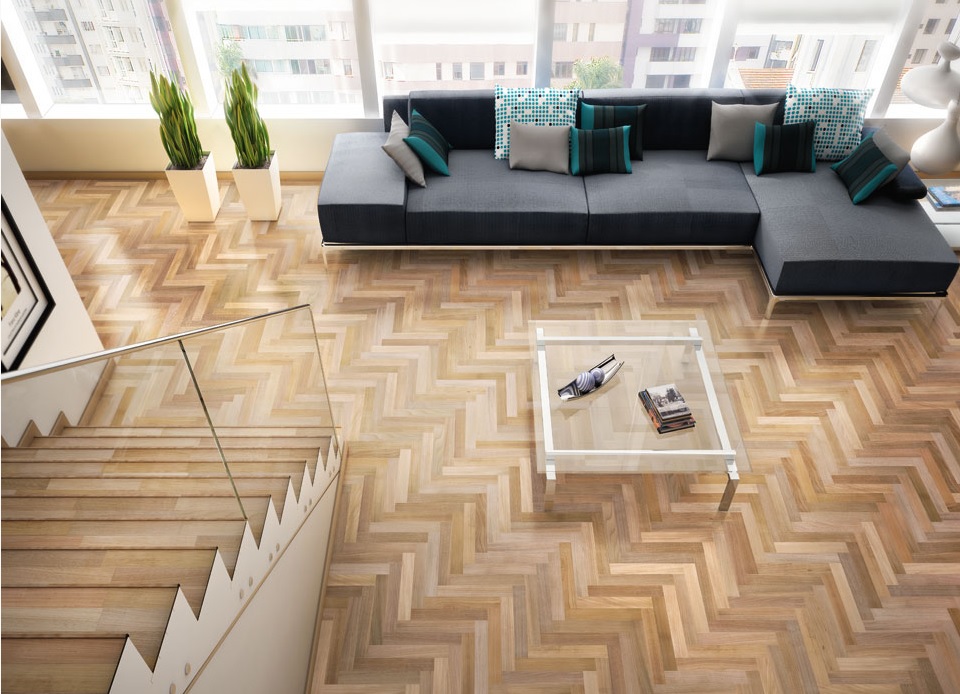
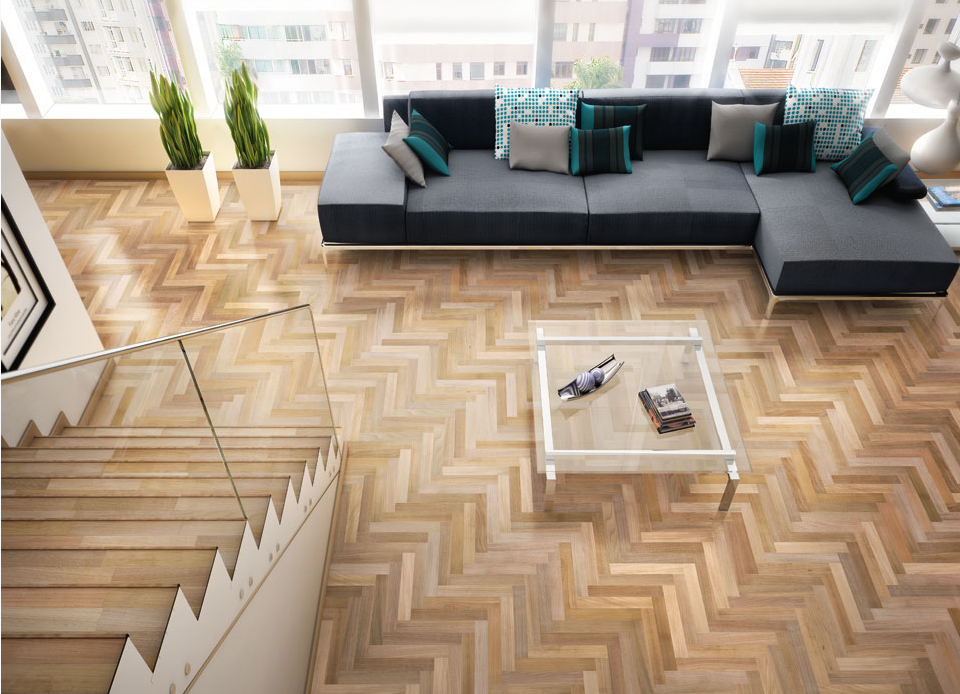
The herringbone pattern is one of the most iconic and enduring flooring designs, known for its distinctive V-shaped, zigzag arrangement. Its name comes from the resemblance to the skeleton of a herring fish — elegant, symmetrical, and visually dynamic.
What Is a Herringbone Pattern?
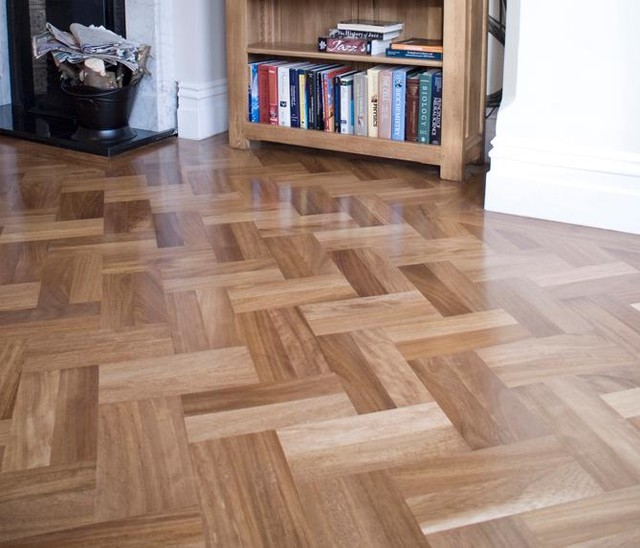
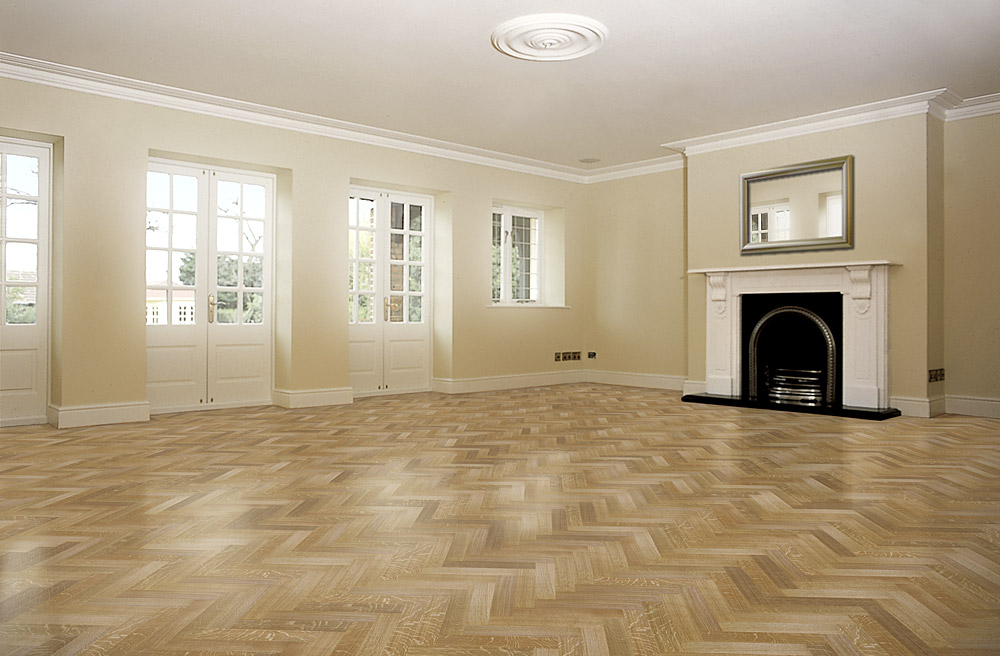
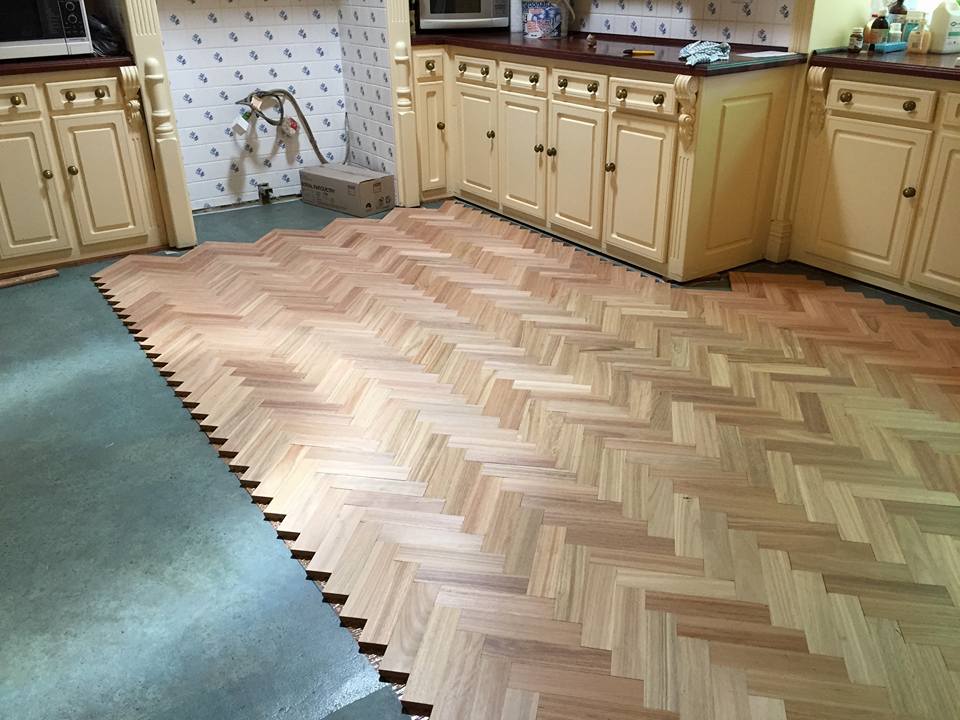
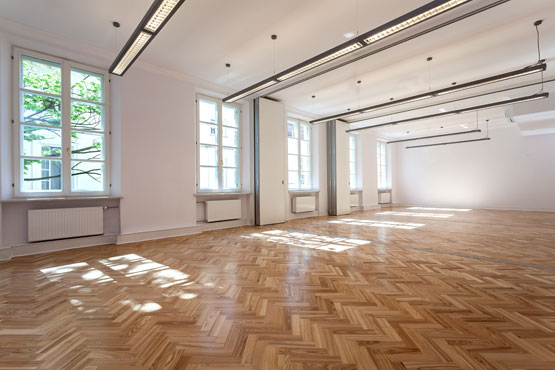
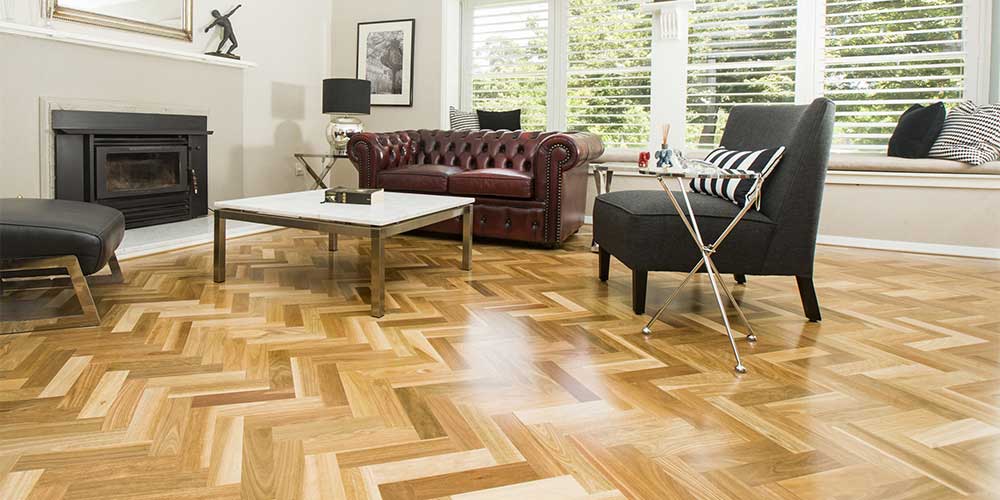
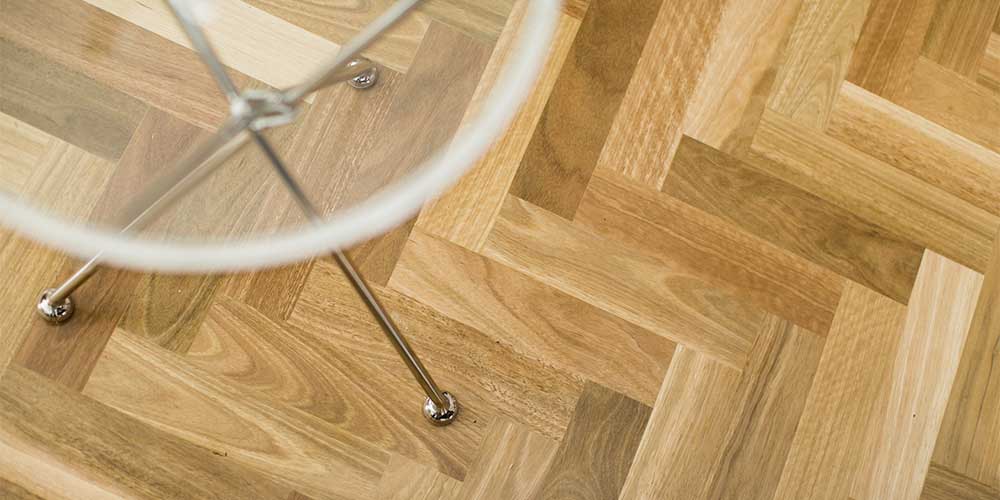
In a herringbone floor, rectangular planks are laid in a staggered zigzag pattern, where each board meets the end of another at a 90° angle. This creates a sense of movement and depth, giving the room a refined, luxurious appearance.
Origins and History
The herringbone design dates back to the Roman Empire, where it was used in road construction and masonry for strength and durability. It later became a hallmark of classic European architecture and interior design — particularly in French parquet flooring during the 16th and 17th centuries.
Types of Herringbone Flooring
Herringbone patterns can be achieved using different flooring materials:
-
Solid Hardwood: Offers a traditional and long-lasting finish.
-
Engineered Wood: More stable and versatile for modern homes.
-
Luxury Vinyl Plank (LVP): A budget-friendly, easy-to-install alternative.
-
Tile & Stone: Perfect for bathrooms, kitchens, and contemporary interiors.
Benefits of Herringbone Flooring
-
Visual Interest: Adds movement and texture to any room.
-
Timeless Appeal: Works beautifully in both classic and modern interiors.
-
Perceived Space: The angled pattern can make smaller spaces appear larger.
-
Customizable: Can be installed in single, double, or diagonal layouts for unique effects.
Where to Use Herringbone Patterns
Herringbone floors are ideal for:
-
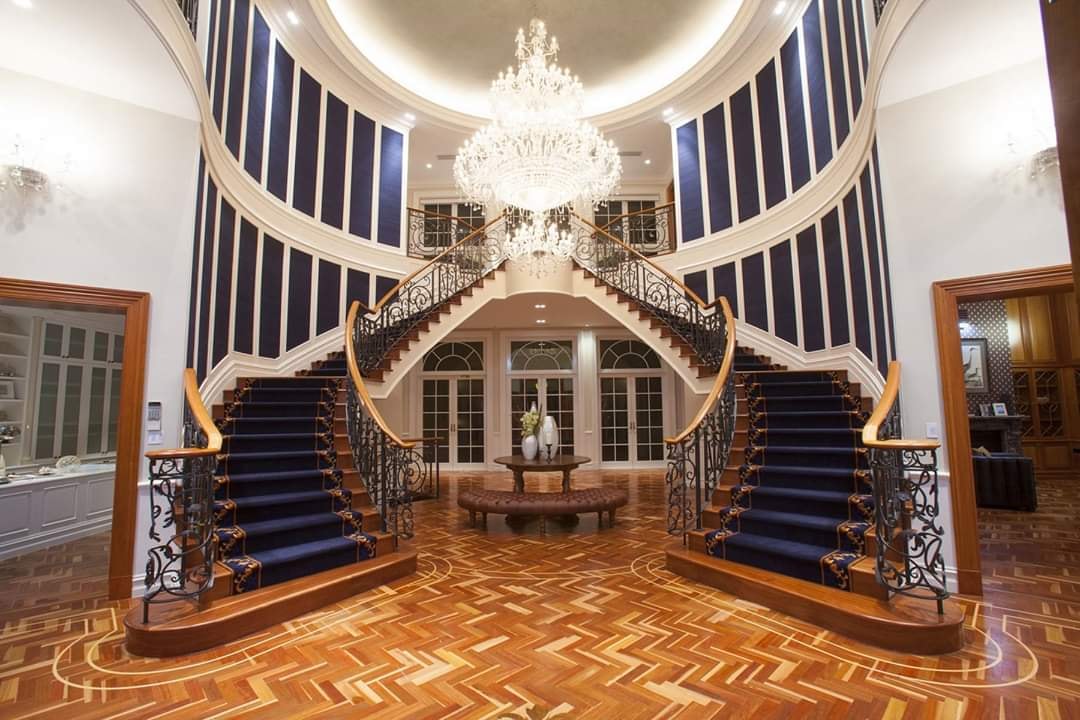
Living rooms and hallways (to create a grand entrance)
-
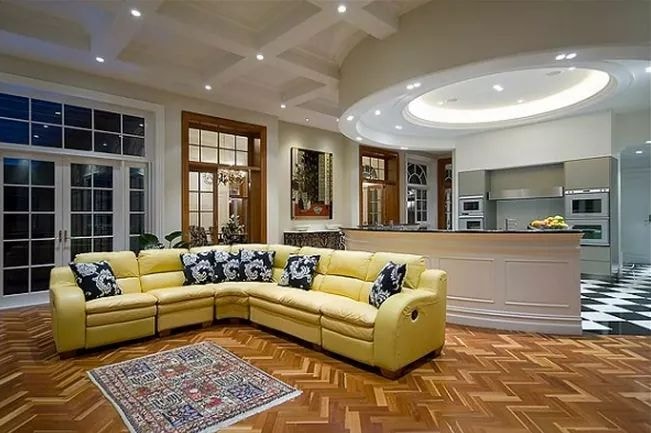
Dining rooms and kitchens
-
Office spaces or boutique interiors for a high-end look
Herringbone vs. Chevron
While both patterns feature a zigzag design, they differ in layout:
-
Herringbone: Planks are rectangular and meet at right angles (creating a broken zigzag).
-
Chevron: Planks are cut at an angle (usually 45° or 60°) to form a continuous “V” pattern.
Maintenance and Care
Regular sweeping and occasional mopping with a gentle floor cleaner will keep your herringbone floor looking stunning for years. For wood floors, refinishing every few years helps maintain their natural beauty.
Additional Information
Documents
Additional Information
| Janka Hardness Rating | - |
| Botanical Name | - |
| Also known as | - |
| Dry Density | - |
| Natural Durability | - |
| Profiles | - |
Downloads