- Always competitive prices and perfect quality
- |
- sales@sydneytimberflooring.com.au






Brick Bond
Brick Bond Pattern Flooring: Simple, Strong, and Stylish
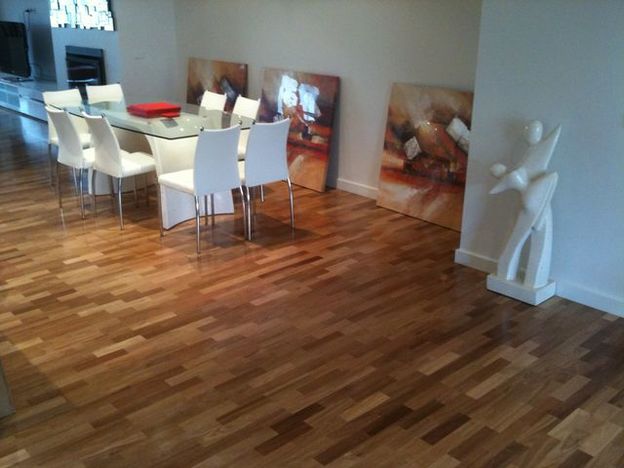
The brick bond pattern is one of the most classic and enduring flooring designs. Inspired by the layout of traditional brick walls, this pattern combines simplicity, symmetry, and strength — making it an ideal choice for both modern and traditional interiors.
What Is a Brick Bond Pattern?
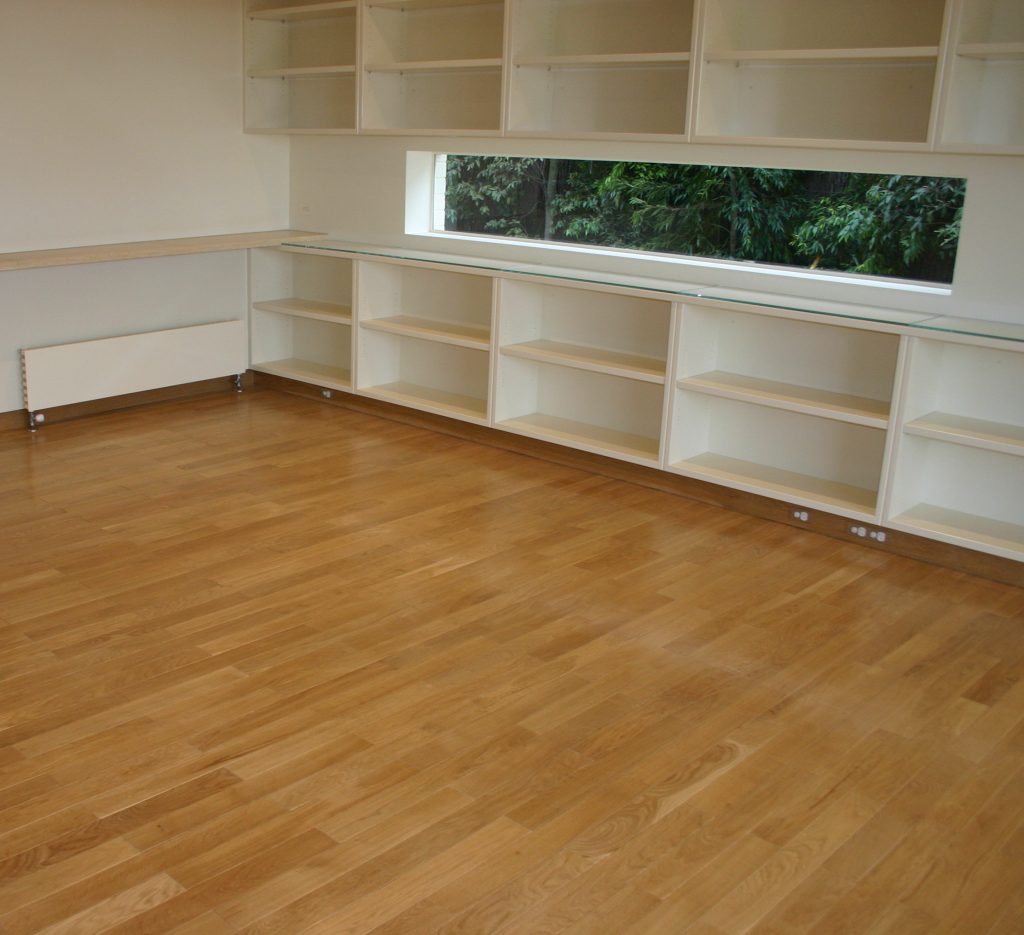
In a brick bond floor, rectangular tiles or planks are laid in rows where each successive row is offset by half the width of the piece above it. This staggered layout creates a subtle, flowing rhythm that’s visually appealing and structurally stable.
The result is a balanced, timeless look that enhances any space — from rustic kitchens to sleek, contemporary living areas.
History and Origins
The brick bond pattern takes inspiration from ancient masonry techniques used in Roman and medieval architecture, where overlapping joints increased stability and durability. Over time, this practical layout transitioned from walls and pathways to flooring and tile work, becoming a hallmark of functional beauty.
Types of Brick Bond Flooring
Brick bond can be achieved using a wide range of materials, offering flexibility for different interior styles and needs:
-
Ceramic or Porcelain Tiles: Perfect for bathrooms, kitchens, and hallways.
-
Natural Stone: Adds texture and authenticity to rustic or traditional settings.
-
Hardwood or Engineered Wood: Provides a warm, inviting look for living rooms and bedrooms.
-
Vinyl or Laminate: A cost-effective way to achieve the same timeless pattern with easier installation.
Benefits of Brick Bond Flooring
-
Classic Appeal: A versatile design that complements any décor style.
-
Strong Visual Flow: The staggered layout adds movement and direction to the floor.
-
Easy Installation: Straightforward pattern that reduces cutting and waste.
-
Durable & Practical: Offers even weight distribution and stability.
-
Low Maintenance: Easy to clean and maintain across different materials.
Variations of the Brick Bond Pattern
There are several ways to adapt the brick bond layout for added visual interest:
-
Running Bond (Standard): Each row is offset by half a tile or plank.
-
Third Brick Bond: Rows are offset by one-third for a tighter, more intricate pattern.
-
Vertical Brick Bond: Tiles are stacked vertically for a contemporary twist.
-
Diagonal Brick Bond: The layout is rotated 45°, adding a dynamic look to the floor.
Best Spaces for Brick Bond Floors
Brick bond flooring works beautifully in:
-
Kitchens and Bathrooms: Adds structure and a sense of continuity.
-
Hallways and Entryways: Guides the eye naturally through the space.
-
Living Rooms and Dining Areas: Offers a clean, modern backdrop for furniture and décor.
-
Commercial Spaces: Durable and visually balanced for high-traffic areas.
Maintenance & Care
-
Sweep or vacuum regularly to remove dirt and debris.
-
Mop with a neutral cleaner suitable for your flooring material.
-
For grout or textured surfaces, deep clean periodically to maintain appearance.
Additional Information
Documents
Additional Information
| Janka Hardness Rating | - |
| Botanical Name | - |
| Also known as | - |
| Dry Density | - |
| Natural Durability | - |
| Profiles | - |
Downloads